
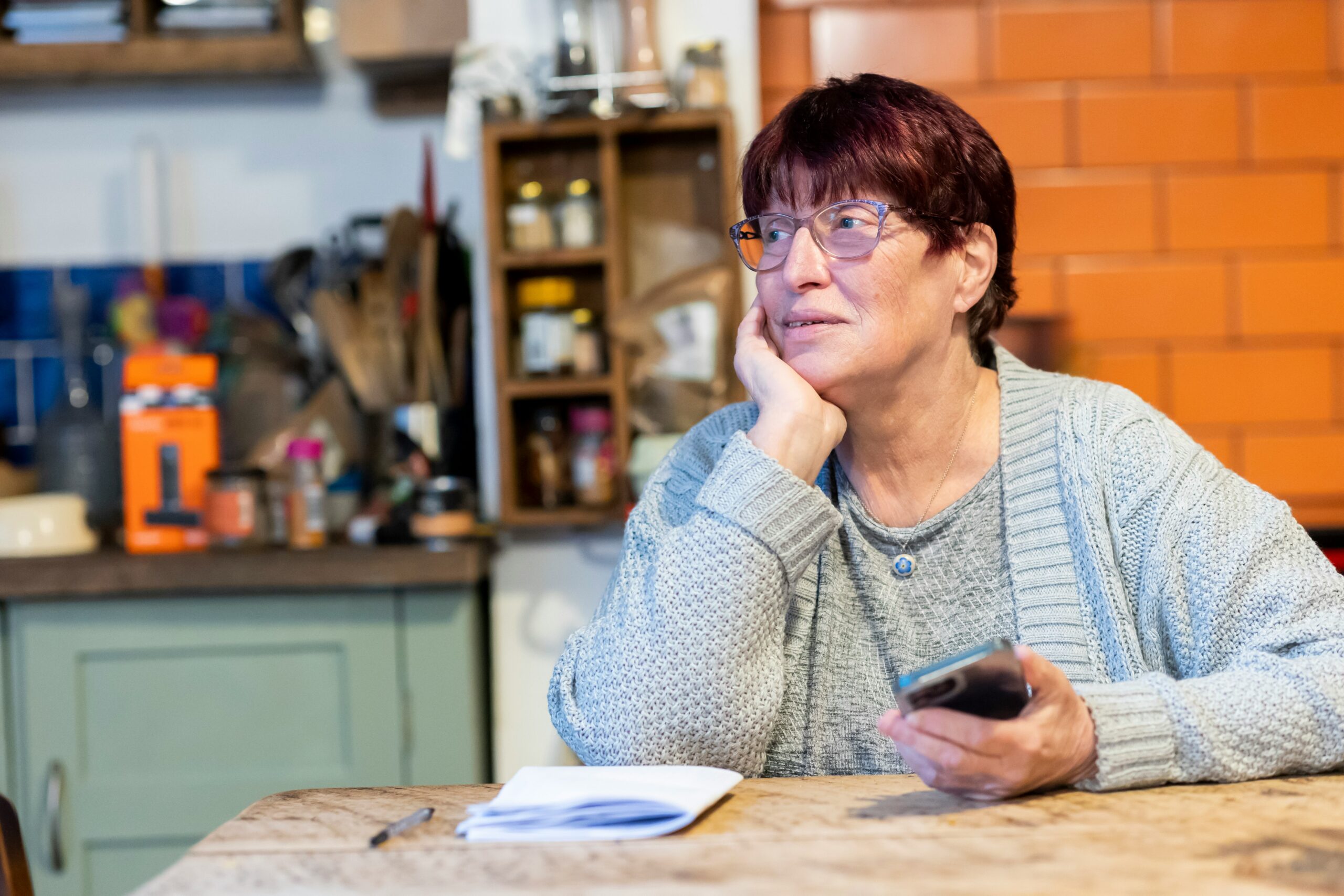
Domestic Abuse in Older Women. When domestic abuse is discussed publicly, the focus is almost always on younger women. The campaigns, the statistics, the faces used in awareness content. Older women are rarely in that picture. But the abuse does not stop because a woman has reached a certain age. In many cases it has been going on for decades.
What the data tells us
Data from the ONS shows that in the year ending March 2025, 5.3% of people aged 60 to 74 in England and Wales (about 1 in 20) and 3.4% of people aged 75 and over (about 1 in 30) experienced domestic abuse in the past year.
Older victims experience abuse for twice as long before seeking help as those aged under 61, and nearly half have a disability.
These numbers almost certainly undercount the reality. Older women are among the least likely to report abuse to the police, seek help from services, or identify what is happening to them as abuse at all.
Why older women are less likely to seek help
There are particular barriers that make leaving harder the longer abuse has gone on.
Financial dependence built over a lifetime is harder to untangle than financial dependence built over a few years. Joint assets, shared pensions, property in one name, these things create a practical trap that is not easily broken.
Abuse that has been going on for a long time, sometimes decades, often becomes so normalised that it is difficult to recognise, even to the point of believing they deserve to be hurt.
Older women are underrepresented in domestic abuse service use, despite evidence to suggest that they experience domestic abuse at similar rates to younger women. Many services are built for a younger demographic, which can make older women feel that help is not designed for them.
It is never too late to understand your options
Approximately one in four domestic homicides in England and Wales between 2010 and 2015 involved a victim aged 60 and over, with the majority of victims being female. This is not a hidden or niche issue. It is a serious and underreported one.
Leaving a long relationship is not the same as leaving a short one. The financial, legal, and practical picture is different. But the options exist regardless of how long the abuse has been going on.
The Women’s Railroad is a free, practical guide for women in England and Wales. It covers financial preparation, safe exit planning, and legal protections, written in plain language for women who need to understand what is available to them before they speak to anyone.
No referral. No waiting list. No one needs to know you read it.
Go deeper
- Dictionary: elder abuse, carer abuse, economic abuse, coercive control, disability
- Read: Financial Abuse: A 5 Question Quiz and What It Actually Looks Like, Domestic Abuse and Health Control: Why Your GP Matters More Than You’d Think, I Am Worried About My Friend. I Think Her Relationship Is Abusive.
- Guides: our original practical guide (Get Money. Get Out. Get Rid.) covers your money and housing options, and Keep A Record shows you how to keep track of what’s happening. You can find them on our Get Help page.