
How do I know if FGM happened to me: Female Genital Mutilation
If you’re reading this because something has made you wonder whether this happened to you, possibly very young, possibly something you have no clear memory of, you’re not alone in that uncertainty, and there are ways to find out gently and safely.
Why you might not remember
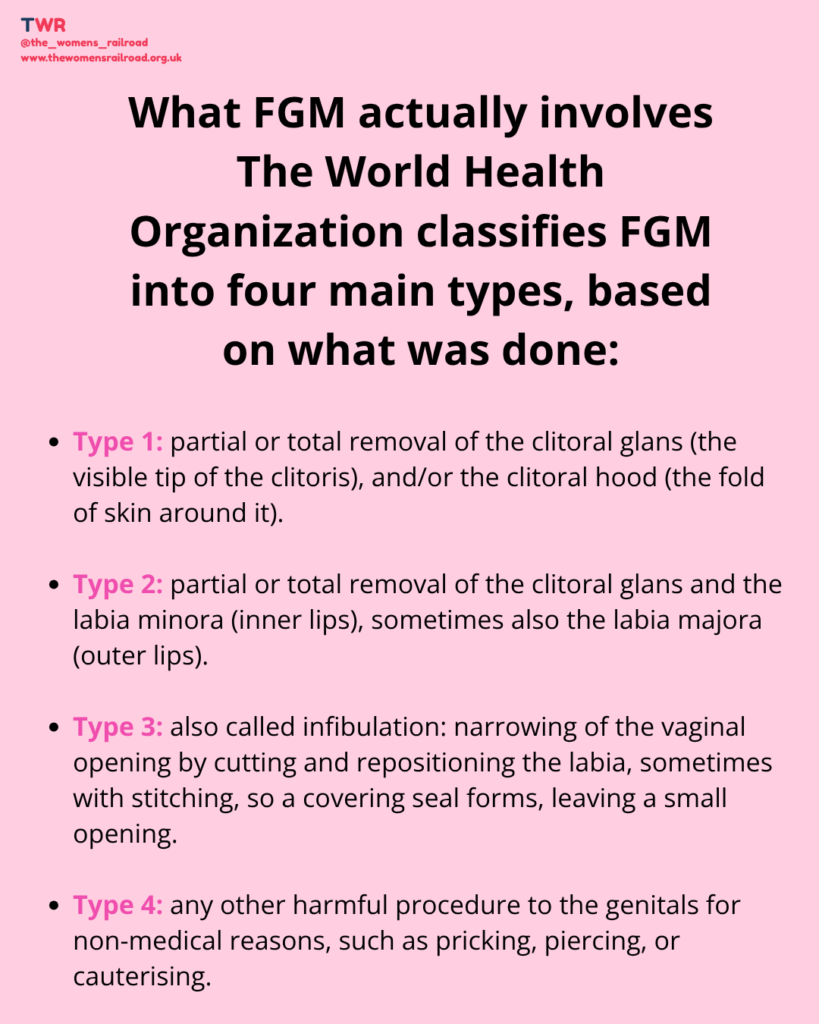
Female genital mutilation is most often carried out in infancy or early childhood, sometimes as young as a few weeks old, and most commonly before the age of 15. If it happened to you as a baby or toddler, there’s no reason you’d have a clear memory of it. Not remembering doesn’t mean it didn’t happen, and it doesn’t mean your uncertainty isn’t valid.
Checking gently, and why a mirror alone can’t give you certainty
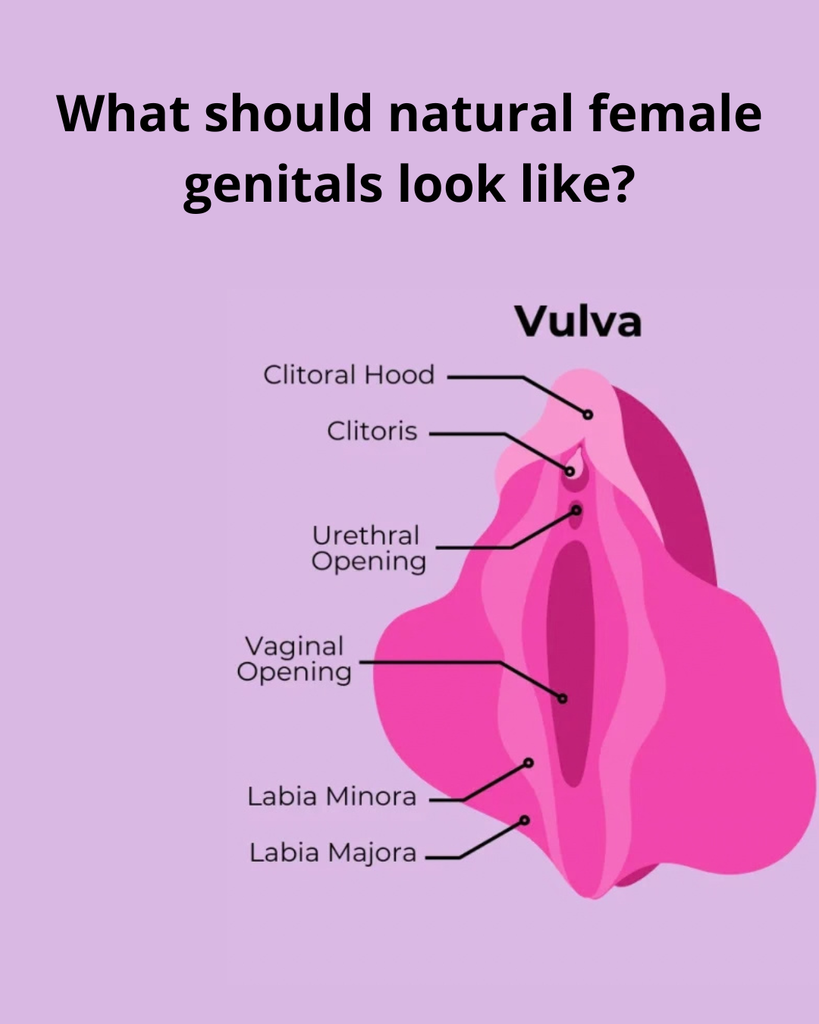
Some women find it helpful to look at themselves with a hand mirror, in a private, unhurried moment, simply to become familiar with what’s actually there. If you choose to do this, there’s no right way or wrong way, and you don’t have to do it at all if it doesn’t feel right for you.
It’s worth knowing honestly, though, that even trained healthcare professionals can find some signs of FGM subtle, and normal genital anatomy varies quite naturally from person to person, sometimes in ways that can be mistaken either way by someone without medical training. A mirror check can be a starting point for your own sense of things, but it isn’t a diagnosis, and it can’t rule FGM in or out with certainty on its own.
If you want an actual answer, a GP or a specialist FGM clinic can examine you, tell you gently and clearly what type, if any, you have, and answer whatever questions you have, at your pace, with no pressure to decide anything else at the same time.
Why this is abuse, not culture, not tradition, not something you consented to
FGM has no health benefits. It involves removing or injuring healthy genital tissue, and it can cause lifelong physical and psychological harm, chronic pain, infections, urinary problems, complications in childbirth, and difficult or painful intercourse, alongside the psychological impact of the act itself. The World Health Organization has described it as a violation of the right to health, to security and physical integrity, and to freedom from torture and cruel or degrading treatment.
However it was explained to you, or not explained to you at all, if it happened while you were a child, you could not have consented to it. That remains true regardless of your family’s intentions, culture, or what they believed at the time.
What the law in England and Wales says
FGM has been illegal in the UK since 1985. The current law, the Female Genital Mutilation Act 2003, as amended by the Serious Crime Act 2015, makes it a criminal offence to perform FGM, to help someone else carry it out, or to help arrange for a UK national or resident to undergo it, whether in the UK or abroad. Taking a British girl or resident overseas specifically to have it done does not put it outside the law.
Do you have to report anything, if this happened to you as a child
No, not if you’re an adult now telling someone about something that happened when you were under 18. Legal guidance is specific on this point: the professional duty to report FGM only applies to known cases involving a girl currently under 18. It does not apply where a woman aged 18 or over discloses that FGM happened to her as a child. That means you can speak to a GP, a specialist clinic, or anyone else about your own experience without it automatically becoming a report to police or triggering action you haven’t chosen.
Where to go for support
You don’t need a referral from anyone to start finding out more.
- Your GP can talk to you, examine you if you’d like that, and refer you on to specialist services.
Is there treatment, or a way to reverse it
It depends on what type you have, and it’s worth being honest that “reversal” isn’t quite the right word for what’s medically available.
- Deinfibulation is a minor procedure available for Type 3 FGM specifically, where the vaginal opening has been narrowed. It opens the scar tissue, usually under local anaesthetic, though a spinal or general anaesthetic can be offered too. It genuinely helps with symptoms like painful sex, difficulty with smear tests, or complications in labour. It does not restore any tissue that was removed, it simply opens what was closed.
- Reconstruction surgery, aiming to restore the appearance or sensation of removed tissue such as the clitoris, is not routinely available on the NHS in England and Wales. It remains an area of ongoing research and specialist review. Some women do seek this abroad or privately, but it’s worth knowing that private and international options in this specific area are not consistently regulated, and can be costly.
- Psychological support is offered alongside physical care at specialist clinics, and you can ask for this whether or not you want any physical procedure at all. What this did to you isn’t only physical, and support for that is available too, not just conditional on choosing surgery.
You don’t have to decide anything today
Finding out, if that’s what you want, doesn’t commit you to anything else. You can get information, get an examination, get a clear answer about your own body, and take as long as you need before deciding whether you want any further support, treatment, or nothing at all beyond simply knowing.
Go deeper
- Dictionary: female genital mutilation
- Read: Domestic Abuse and Health Control: Why Your GP Matters More Than You’d Think, Is This Abuse? 5 Types Of What Domestic Abuse Can Actually Look Like
- Guides: our original practical guide (Get Money. Get Out. Get Rid.) sets out your options if you need them. You can find them on our Get Help page.