Why We Say Abuser, Not Perpetrator
Police, courts and councils say “perpetrator”. We say abuser, because that’s what he is. Here’s where the word “perpetrator” comes from, what the law actually says, and why naming it plainly matters.


Police, courts and councils say “perpetrator”. We say abuser, because that’s what he is. Here’s where the word “perpetrator” comes from, what the law actually says, and why naming it plainly matters.
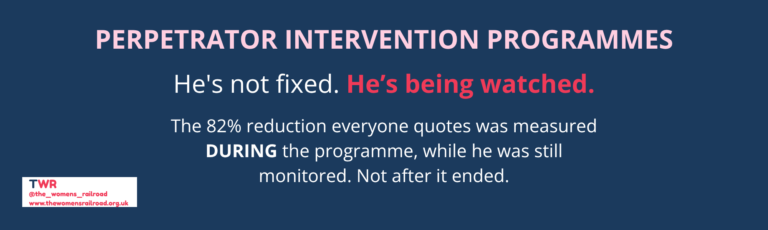
The Drive Project reports an 82% fall in abuse among participants, but that figure is measured during the programme, while a man is still being actively monitored, not after it ends. Here’s what the full evidence actually shows.

Most people assume domestic abuse charities run on donations and goodwill. The reality is closer to a business tender, with KPIs, break clauses, and a funding system that rewards scale over specialism.
A charity is named directly inside an Act of Parliament, holding the same legal standing as a local authority to apply to a court to take your child.
Not “any authorised charity.” One, by name: the NSPCC, under Section 31(9) of the Children Act 1989.
No other charity has this. No business has this.
This isn’t about whether the NSPCC does good work, it clearly has. It’s about why one private organisation was given a permanent legal shortcut that no other equally capable body has ever been offered, and what happens if that ever changes.

Thinking you need money you don’t have is one of the biggest things that stops women from even looking into their options. Here’s the honest picture on legal aid, what it covers, and what it doesn’t.